Student Health Literacy Conference
UConn Co-op Legacy Fellows Chloe Lu, Andrei Abarientos, and Alana Modi
The Student Health Literacy Conference
Fall 2025 UConn Co-op Legacy Fellowship – Change Grant Project
Project Mentor: Dr. Anton Alerte, Associate Dean of Primary Care at UConn Health
Event Summary
This event brought together 30 participants to address a specific and pressing issue in healthcare: language barriers within the hospital setting and their impact on patient care. Inspired by the mission of Partners In Health, the event was centered around promoting equitable, patient-focused care by exploring how communication gaps can lead to misunderstandings, reduced quality of care, less trust between the patient and doctor, and poor health outcomes.
 Students worked in teams of three to develop realistic, community-informed solutions aimed at improving communication between providers and patients of marginalized communities based on their research. Through guided worksheets that got participants to think about the patient, caregiver, and community perspective, provided office hours with judges, and four hours of project development, students were able to think critically about how to ensure patients get clear and effective care regardless of language. The event culminated in team presentations of around a five-minute speech with Q&A to a panel of judges consisting of DEI and health leaders Dr. Jeffrey Hines, M.D. and Dr. Maryann Brescia, PhD, RN, medical student Karina Patel, and the UCHC Associate Dean of Primary Care Dr. Anton Alerte. These presentations and subsequent discussion provided a space for valuable feedback and real-world perspectives.
Participants were provided with:
- One trifold
- Art and writing supplies
- Construction paper
- Worksheets to guide their thought and planning process
- Their own pen and tote bag as souvenirs!
Our Lasting Impact
The event’s impact was strengthened through three targeted workshops led by student organizations:
- UConn Partners In Health Engage helped students develop a “story of self,” grounding their work in personal motivation and offering a tangible framework for integrating narrative into their project.
- UConn Kidney Disease Screening and Awareness Program (KDSAP) introduced clinical perspectives, emphasizing patient interaction and accessibility and discussing challenges and logistics of running kidney disease screening clinics
- The Diversity in Healthcare Club focused on social determinants of health, providing context for systemic barriers like language access through patient case studies.
These workshops shaped students’ trifold projects, helping them integrate personal, clinical, and structural perspectives into their solutions. The Q&A panel was impactful, allowing students to engage with healthcare professionals and gain insight into real-world challenges and strategies for improving patient communication. At the end of the event, we had a professional photographer come in to take headshots for our students’ LinkedIn!
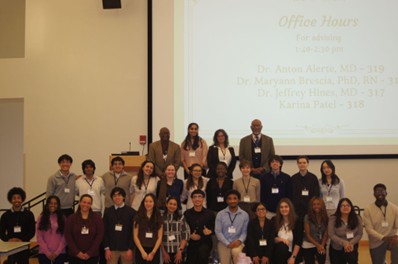 Looking forward, the Student Health Literacy Conference will become an annual event. We aim for it to become a shared pedagogical space that both educates UConn and high school students on relevant local issues of health justice and also spurs community partnership and action. After this conference, we had the top teams wanting to sustain their idea by applying for a Change Grant themselves, motivated towards long-term impact, in turn encouraging us to further grow the program and orient it towards these ends. Ongoing collaboration with community and public health leaders will help expand the program into a broader effort centered around service and improving equitable care for patients facing language barriers.
Testing the Effectiveness of Phytoremediation of Urban Lead-Polluted Soils by Sunflowers (Helianthus annuus L)
UConn Co-op Legacy Fellows Zaira O’Leary and Anastasia Serating
Testing the Effectiveness of Phytoremediation of Urban Lead-Polluted Soils by Sunflowers (Helianthus annuus L)
Fall 2024 UConn Co-op Legacy Fellowship – Change Grant Project
Project Mentor: Dr. Mia Maltz, Plant Science & Landscape Architecture
Project Summary:
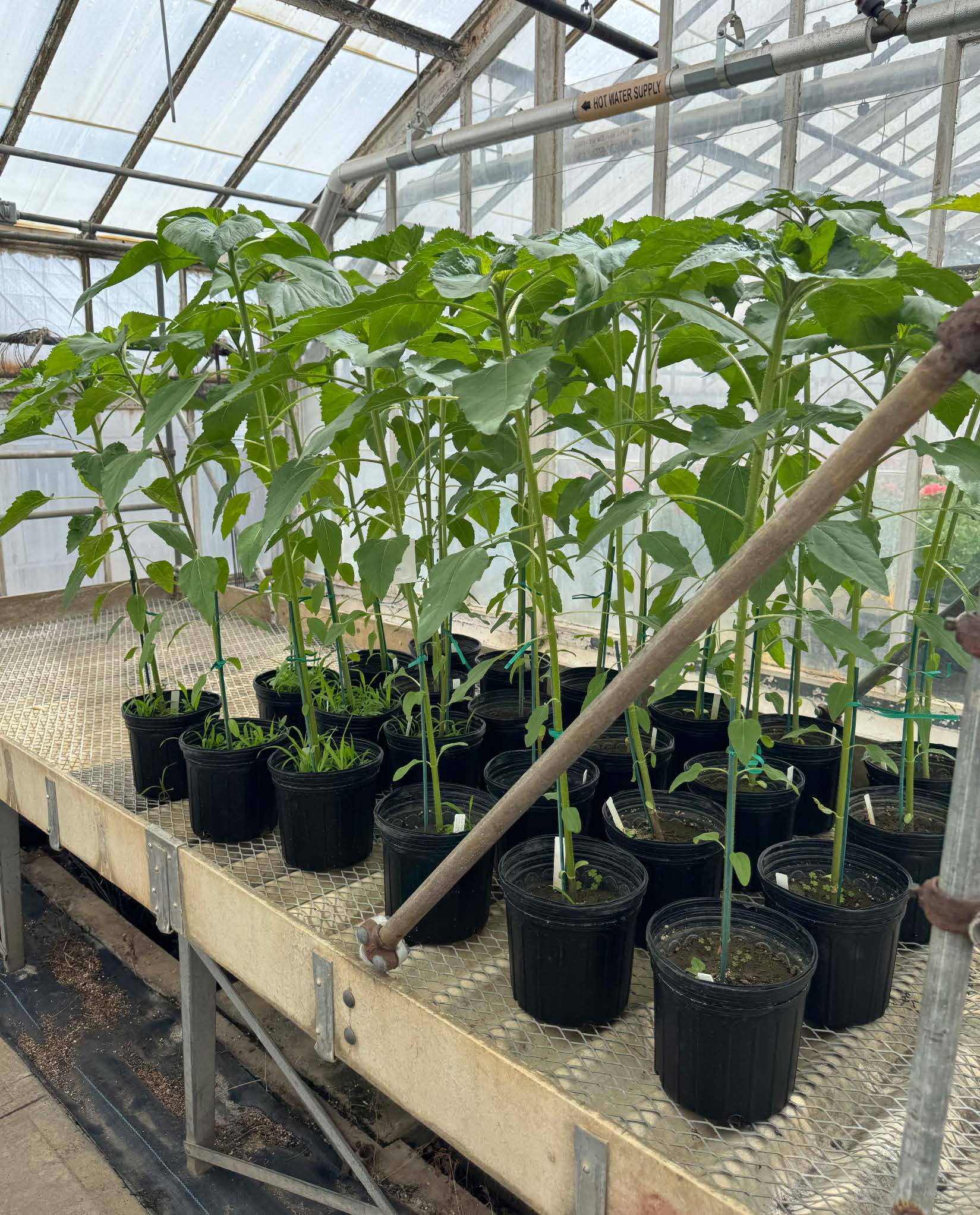 The main goal of this project was to see how effective sunflowers are – when paired with mycorrhizal fungi – in the phytoremediation of lead-contaminated soils within urban areas. Phytoremediation is a process that utilizes plants and microbes to remove and thus reduce harmful pollutants in soil. Mycorrhizal fungi (MR), a functional group of plant-associated fungi, lives within the soil and forms symbiotic relationships with plant roots; MR have previously been shown to aid in phytoremediation. We have examined whether this MR relationship exists with sunflowers and if MR phytoremediation can reduce lead (Pb) content in contaminated urban soil. The primary driving factor for this research project was to help residents of urban areas, such as in Hartford, Connecticut, which were rapidly built up to accommodate growing populations. This rapid urbanization resulted in many polluting plumes containing deleterious contaminants, such as Pb, leaching into the environment. Because Pb poisoning is harmful and likely to occur in residents living within a lead-polluted environment, giving these residents an effective, affordable, and accessible method to remediate their lead-polluted soils would greatly improve their quality of life. Thus, the primary purpose of this study was to determine if sunflowers are an effective tool for phytoremediation of Pb; and, if not, what future research and methodologies can we develop for urban residents affected by Pb pollution.
Process:
Over the course of the Spring 2025 semester, 24 sunflowers were grown in soil at the UConn Floriculture Greenhouse. The seedlings were treated in a multi-factorial experiment, where half were grown in high-lead soil and inoculated with MR fungi. After three months of growth, the sunflower crowns, stems, leaves, roots, and soil were collected from each pot. Plant tissue was dried and pulverized into a fine powder. The Pb levels in the tissue and soil samples were evaluated using an X-Ray Fluorescence tool (XRF), which helps determine the elemental composition of each sample to see if, and/or how much Pb is present (ppm). We are staining plant roots to measure the percent of sunflower roots colonized by MR fungi. We also extracted DNA and conducted microbial analysis to characterize and identify microbial species in the soil.
What Has Been Accomplished and Results:
Sunflowers were successfully planted, grown, and harvested and all plant tissues and soil samples were subsequently collected. We measured the Pb content of all tissues and soil using XRF. Our findings show that all sunflowers under all experimental conditions removed some quantity of lead, with the sunflower roots being enriched with Pb. These results show that the sunflowers did help remove lead from the soil, but it is not clear if the mycorrhizal fungi influenced the amount of lead that was taken up. We sequenced soil fungal DNA at UConn’s molecular core and are currently characterizing which fungi were enriched in the high Pb treatments that showed the most Pb removal.
Impact:
This project can have a positive impact on urban communities because it provides both an effective and accessible way for residents who are negatively affected by high Pb soil levels to start remediating the soil. Growing sunflowers is an aesthetically pleasing and functional approach to extract metals from contaminated soils. This project is a great start in moving towards using sunflowers in phytoremediation.
What could be next?
This project is just the beginning of phytoremediation tests using sunflowers. We are now working on inoculating fungi in a severely contaminated site with extremely high Pb concentrations to see if decomposer fungi can extract Pb from soil, along with MR inoculated sunflowers. Other projects that are being conducted next include a field study at a former axe factory in Collinsville, and a burgeoning collaboration with Hartford Land Bank and Brownfield Redevelopment Solutions (BRS), a large conventional remediation firm, to explore bioremediation in high-lead contaminated areas prior to redevelopment, as well as using other spontaneous vegetation for remediation.
Acknowledgments:
Thank you to our mentor, Dr. Mia Maltz, and our Change Grant advisor, Melissa Berkey, for helping guide us through this process during the semester. Thank you to the UConn Floriculture Greenhouse Staff, Shelley, Nick, Madison, and Robbie, for housing and taking care of the sunflowers over the course of the spring semester. Thank you to the UConn Research Farm Staff for allowing us to use your equipment during our project. Thank you to Graduate Student Paulette Goyes for helping us conduct DNA analysis on our soil samples as well as Kendra Maas and Johanna Cathell at UConn’s Center for Genome Innovation for helping us process our fungal DNA.
About Anastasia:
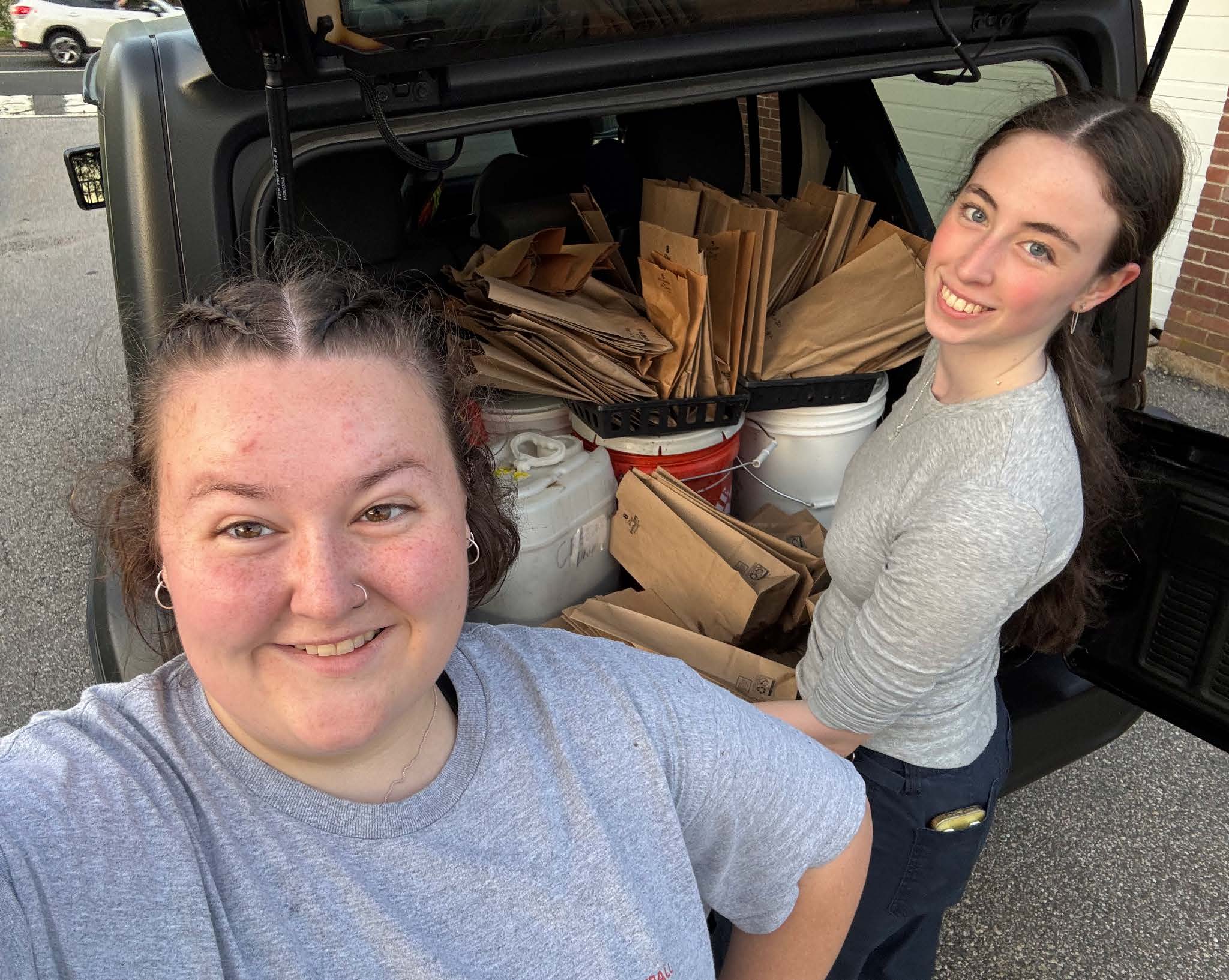 Anastasia is a junior at UConn majoring in Plant Sciences (concentration in Sustainable Agriculture) and minoring in Bioinformatics, Agricultural Biotechnology, and Molecular Cell Biology. She has been a research assistant in Dr. Maltz’s lab since spring 2024, working on various projects surrounding soil, microbes, plants, tortoises, and fungi. After assisting on the Hartford Land Bank project, where the lead content in polluted Hartford soils was tested, Anastasia and Zaira, with the help of Dr. Maltz, developed the Sunflower Project, in hopes of helping the phytoremediation efforts. Beyond remediation, Anastasia is deeply interested in plant genetics and breeding, bioinformatics, conservation genomics, molecular cell biology, and biotechnology.
About Zaira:
Zaira is a graduating senior majoring in Plant Science (concentration in Environmental Horticulture) and minoring in Cannabis Cultivation. She will pursue a Master of Plant and Soil at UConn. She originally met both Dr. Maltz and Anastasia in Environmental Soil Science, a course that covers the broad chemical, physical, and biological aspects of soil, and was taught by Dr. Maltz. Zaira found her love of soil science here, and in her senior year, started working in Dr. Maltz’s lab, and teamed up with Anastasia for the UConn Co-op Legacy Fellowship - Change Grant. She is extremely passionate plans to continue working on projects with both social and environmental impact in the future.
Pediatric Sepsis Knowledge Amongst Black Parents in the United States
UConn Co-op Legacy Fellow Jahmiha Lindo
Pediatric Sepsis Knowledge Amongst Black Parents in the United States
Fall 2024 UConn Co-op Legacy Fellowship – Change Grant Project
Project Mentor: Dr. Mallory Perry-Eaddy, PhD, RN
Project Summary
Sepsis is a life-threatening condition and a leading cause of death in children worldwide. Within the United States, Black children are more than three times more likely to die than White children. While the underlying reason is unknown, it is likely multifaceted, with socioeconomic status (SES) and health literacy as potential contributing factors. Utilizing a modified version of the Australian Royal Children’s Hospital Child Health Poll – Sepsis Questionnaire, we surveyed 500 Black parents. Respondents were adults (≥18 years old) who self-identified as Black, lived in the United States, and had at least one child (<18) in the household. Questionnaires included sepsis knowledge, symptom identification, and socioeconomic status. It was found that a lack of sepsis knowledge was present in 39% of respondents. Significant positive associations were found between sepsis knowledge and three variables: income, education, and employment status.
Accomplishments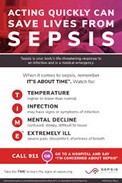
- School of Nursing Research and Scholarship Day Podium Presentation
- Stimulating discussion with faculty on the importance of diverse textbooks to highlight different symptoms on different skin tones
- Virtual meeting with members of the Sepsis Alliance
- Shared research findings with multiple campus organizations, including Rowe Honors Scholars and Sigma Theta Alpha (a co-ed pre-health fraternity)
Impact
The team is in the process of submitting this work for a health disparities journal. The goal is for this data to be implemented in public health interventions for sepsis knowledge. Populations with low income, low education, and low employment status would be the main targets. The Sepsis Alliance already has a Sepsis 911 Educational Toolkit that could be utilized. On a personal level, this project has equipped Jahmiha with knowledge that she can spread herself, as she is part of the Black community. This personal connection was a lasting drive throughout her research.
Willimantic Pop-Up Healthcare Clinic Resource Hallway
UConn Co-op Legacy Fellow Cameron Costa
Willimantic Pop-Up Healthcare Clinic Resource Hallway
Fall 2024 UConn Co-op Legacy Fellowship – Change Grant Project
Project Mentor: Dr. Jaci Van Heest, Educational Psychology; Public Health LC Faculty Director
Project Summary
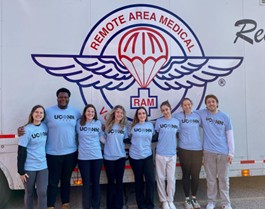 Although the Medical Clinic Club and Remote Area Medical (RAM) clinic in March 2024 proved successful, there were still gaps to be addressed for the March 2025 clinic. The goal of providing free medical, dental, and vision care to people in Willimantic and surrounding areas has always remained paramount to the mission of our organization. The Medical Clinic Club, founded in 2023, was one of the first of its kind at the University of Connecticut. The student-led initiative formed with a small team of four, but has now expanded to nine. The opportunity to volunteer with the club combines not only tangle impact, but also meaningful service reflection, thus allowing students to not only participate in the clinic, but learn from it. In having direct contact with patients, we value the unique ability for volunteers to speak to patients, learning their stories and comforting them while at the clinic.
Unfortunately, gaps in healthcare are not the only inequity that local residents are facing. As one of the counties in Connecticut with the highest food insecurity rates for both adults and children, this project intended to advance our mission beyond what patients experienced in 2024. The resource hallway, equipped with healthy/non-perishable food options, general hygiene items, menstrual products, baby food/diapers, emergency kits, and educational resources; all intended to allow patients the opportunity to continue improving upon healthy habits.
Impact
At this year’s clinic, we were able to provide $142,069 to 196 patients across the two-day clinic with the help of our 368 total volunteers. Since resource hallways are not standard for Remote Area Medical clinics, this was a unique addition. On March 7th, with the help of UConn and RAM CORE volunteers, Windham Middle School was transformed into the clinic. The vision clinic stretched across three classrooms: one for initial imaging, the second for optometrist-guided visual exams, and the final classroom allowed patients to select glasses from for on-site made lenses if indicated. Medical exams were performed in a large classroom with privacy tents seeing five patients at a time. The dental clinic, located in the school’s gymnasium, contained twenty tents connected by an intricate air filtration system for sterility. After patients were triaged, they could get imaging, tooth extractions, fillings, and general cleanings.
As patients left the clinic, they would walk through the resource hallway. Along the hall were volunteers who would personally guide patients through the resource hallway, encouraging them to take whatever they needed for themselves or for their families. All excess resource hallway items and volunteer meals were donated to local food pantries, homeless shelters, and fire/police stations.
What’s Next
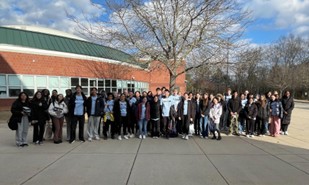 With two successful clinics under our belt, we’re excited to continue being an invaluable resource for patients in Willimantic and surrounding communities. Our team works tirelessly throughout the year planning volunteer accommodations, raising thousands of dollars in grants/donations, as well as finalizing all the clinic logistics. We’re looking forwards to incorporating ourselves as a 501(c)(3) non-profit organization so that we’re able to manage our own funds. We’re looking forward to planning next year’s clinic with the help of RAM, our partners, and all our wonderful, and driven, UConn volunteers. For those interested in volunteering with the clinic, please search for us on UConntact or reach out to Cameron personally.
About Cameron
Cameron is a junior majoring in Physiology and Neurobiology with minors in English and Neuroscience. On campus, he’s currently involved with Huskies for Health, STEMTalk Magazine, the Learning Community Executive Council, independent research with Jaci VanHeest, and is a part of the Jung Lab in the School of Pharmacy. Off-campus, Cameron enjoys spending time with his family and friends, listening to music, and going on hikes.
First Generation Leadership Dinner
UConn Co-op Legacy Fellow Zachary Boudah
First Generation Favors Leadership Dinner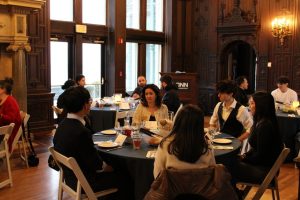
Fall 2024 UConn Co-op Legacy Fellowship – Change Grant Project
Project Mentor: Randall Paterson, Student Activities, UConn Avery Point
Project Summary:
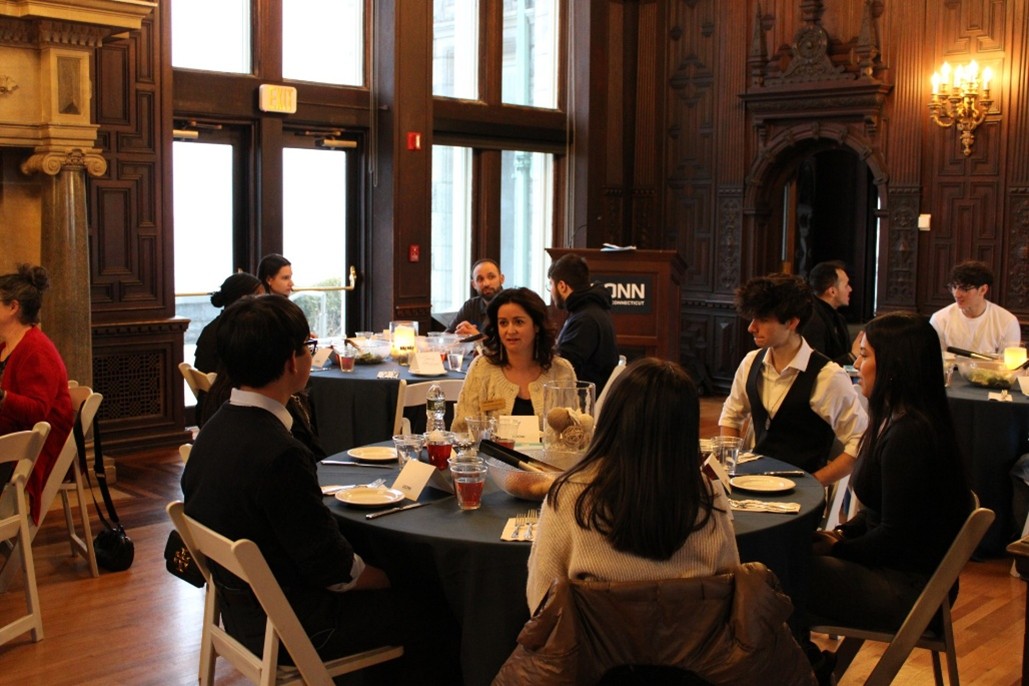
The First-Generation Favors Leadership Dinner was an interactive event held at UConn-Avery Point that brought together over thirty first-generation students, staff, faculty, and alumni. Designed to enhance support for first-generation students, the event featured a three-course meal, guided networking sessions, and hands-on activities aimed at fostering leadership development, financial literacy, and public speaking. Through personalized engagement and collaborative exercises, the dinner empowered participants to strengthen their confidence, build meaningful connections, and better prepare for academic and professional success. The program was complemented by a pre-event workshop and information session on proper dinner etiquette, where attendees were welcomed with breakfast pastries.
Attendees Received: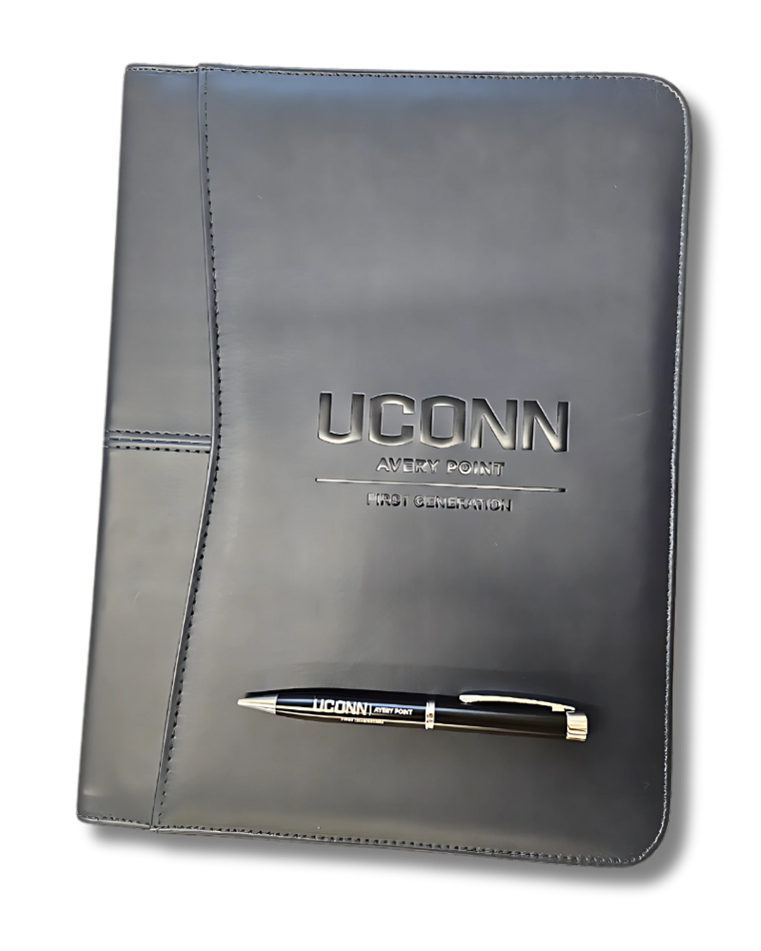
- Custom First-Generation Student Portfolios and Pens
- A Copy of Atomic Habits by James Clear
- A Three-Course Meal (with Vegan/Vegetarian Options)
- Professional Networking Tools and Tips
 Key Accomplishments:
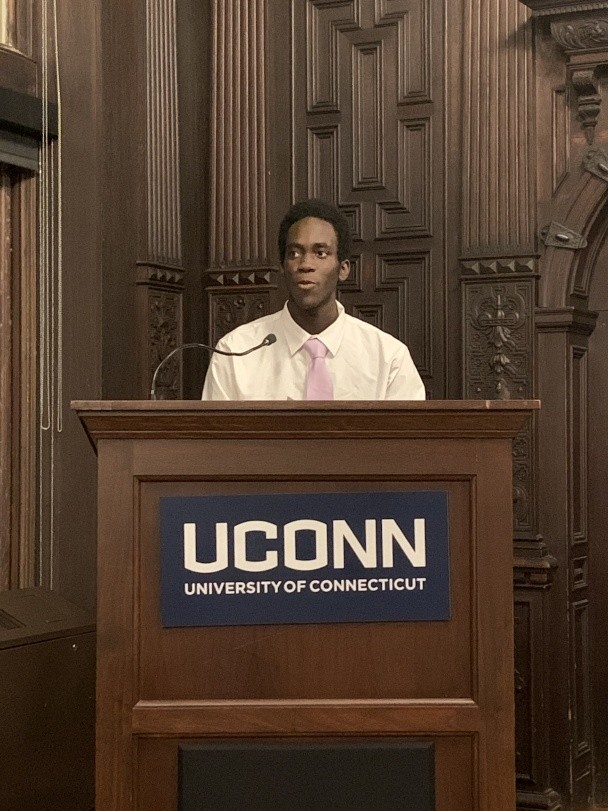
The First-Generation Favors Leadership Dinner received overwhelming praise from both students and table mentors. Students shared that they felt “more accepted for who they are,” while mentors expressed deep appreciation for the return of first-generation programming in such a meaningful way. Following the event, university departments reached out to explore the possibility of institutionalizing the program as an annually funded initiative.
About the Organizer:
Zachary Boudah is an incoming M.A. candidate in the Higher Education and Student Affairs program at the University of Connecticut. As an undergraduate, Zach championed regional campus student advocacy and developed a strong commitment to serving non-traditional student communities. He aspires to dedicate his career to advancing equitable, affordable access to higher education.
Grass Be Gone: Bringing Native Plants and Effective Stormwater Management to UConn
UConn Co-op Legacy Fellows Trevor Donahue, Indigo Irwin, and Amanda Stowe
Grass Be Gone: Bringing Native Plants and Effective Stormwater Management to UConn
Fall 2023 UConn Co-op Legacy Fellowship - Change Grant Project
Project Summary
 UConn Today
Amanda, Indigo, and Trevor took the course Anthropology 3340E (Culture and Conservation) during the Fall 2023 semester, which is an Honors course, with an emphasis on service-learning. During this course, students had to engage with UConn and the surrounding community through a project that was service learning based and involved environmental stewardship. Amanda, Indigo, Trevor, and some of their fellow classmates looked to create a rain garden on campus to increase biodiversity and improve stormwater management on the UConn Storrs campus, increase awareness about rain gardens and their benefits, and involve the community in environmental action.
During the fall semester, these students researched rain gardens, the plants that go in them, their benefits, and how to build them. They collaborated and relied heavily on Rowan Solomon, another UConn undergraduate, for design and landscaping expertise. Amanda, Indigo, and Trevor then applied to the Change Grant to obtain the funds needed to build the rain garden. They had conversations with staff from UConn’s Facilities Operations, University Planning, Design, and Construction, and Extension to go through with finding a location on campus where they could build the rain garden, creating a design, and getting approval from administration. The project was approved by the administration in November 2023. Amanda, Indigo, and Trevor worked with Michael Dietz, a water resources extension educator with the College of Agriculture, Health and Natural Resources and Director of the Connecticut Institute of Water Resources, to identify an area next to the UConn Dairy Bar as the place where they wanted to build the rain garden. They selected this location due to the high levels of erosion, making it an ideal candidate for a rain garden, along with its high visibility due to its proximity to the Dairy Bar.
 UConn Today
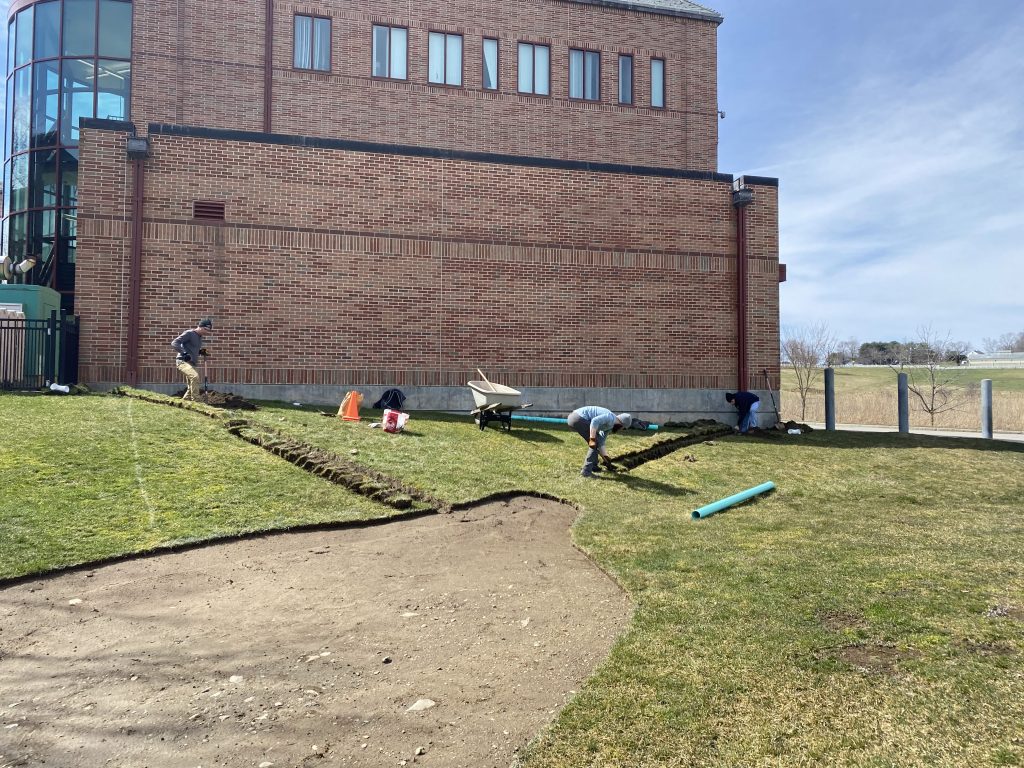
Preparation work for the site was done during the Spring 2024 semester. Amanda, Indigo, Trevor, and Mike disconnected the gutter downspouts from nearby buildings, dug trenches, and installed new drainage pipes that directed runoff from the building’s roof directly into the rain garden instead of into the stormwater system. Turf was then removed from the area, followed by new soil being spread and river rocks being placed where the pipes meet the rain garden.
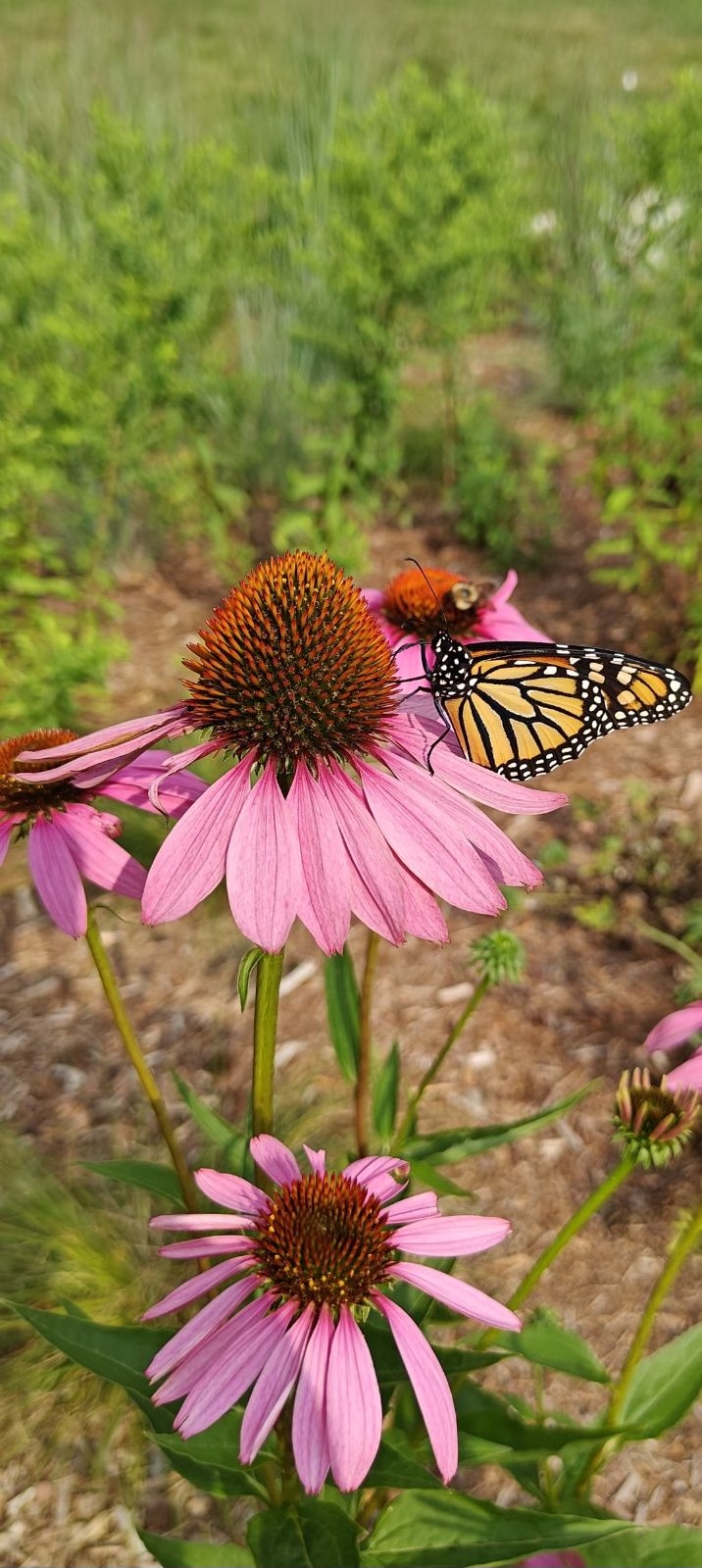
In late April, the students ordered plants from Prides Corner, a local wholesale nursery. The plants in the rain garden include butterfly milkweed, lupine, aster, tickseed, bee balm, switchgrass, little bluestem, and prairie dropseed. All plant species chosen are native to the area and provide benefits for nearby wildlife. They also all function well in both dry and wet soil conditions.
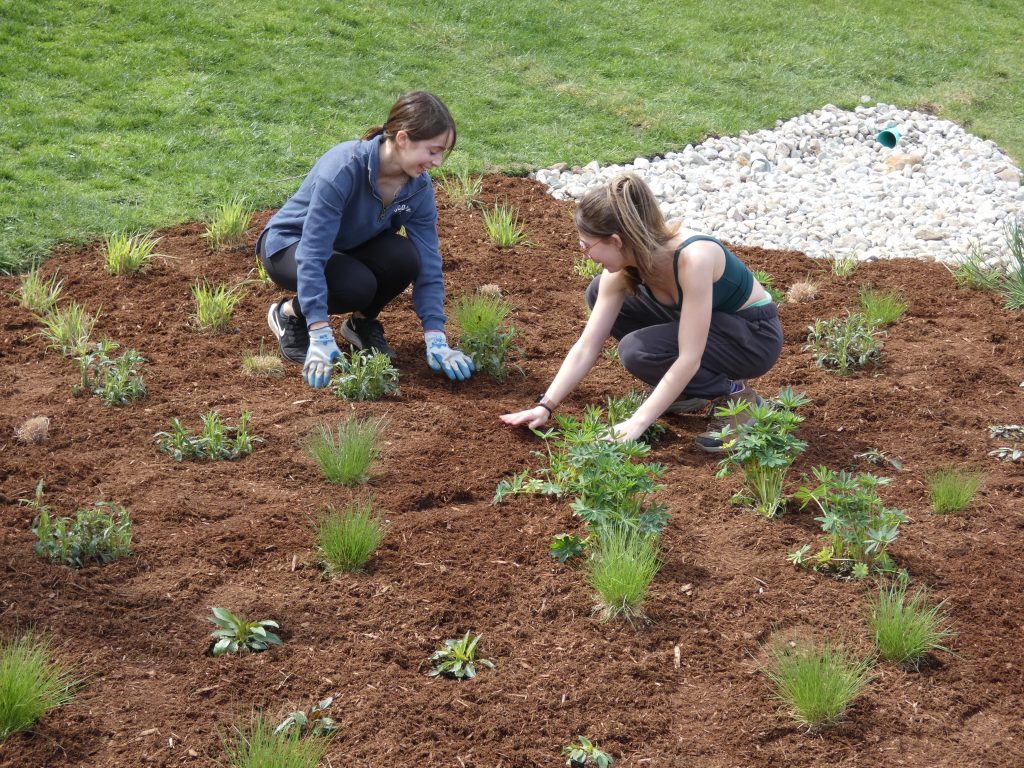
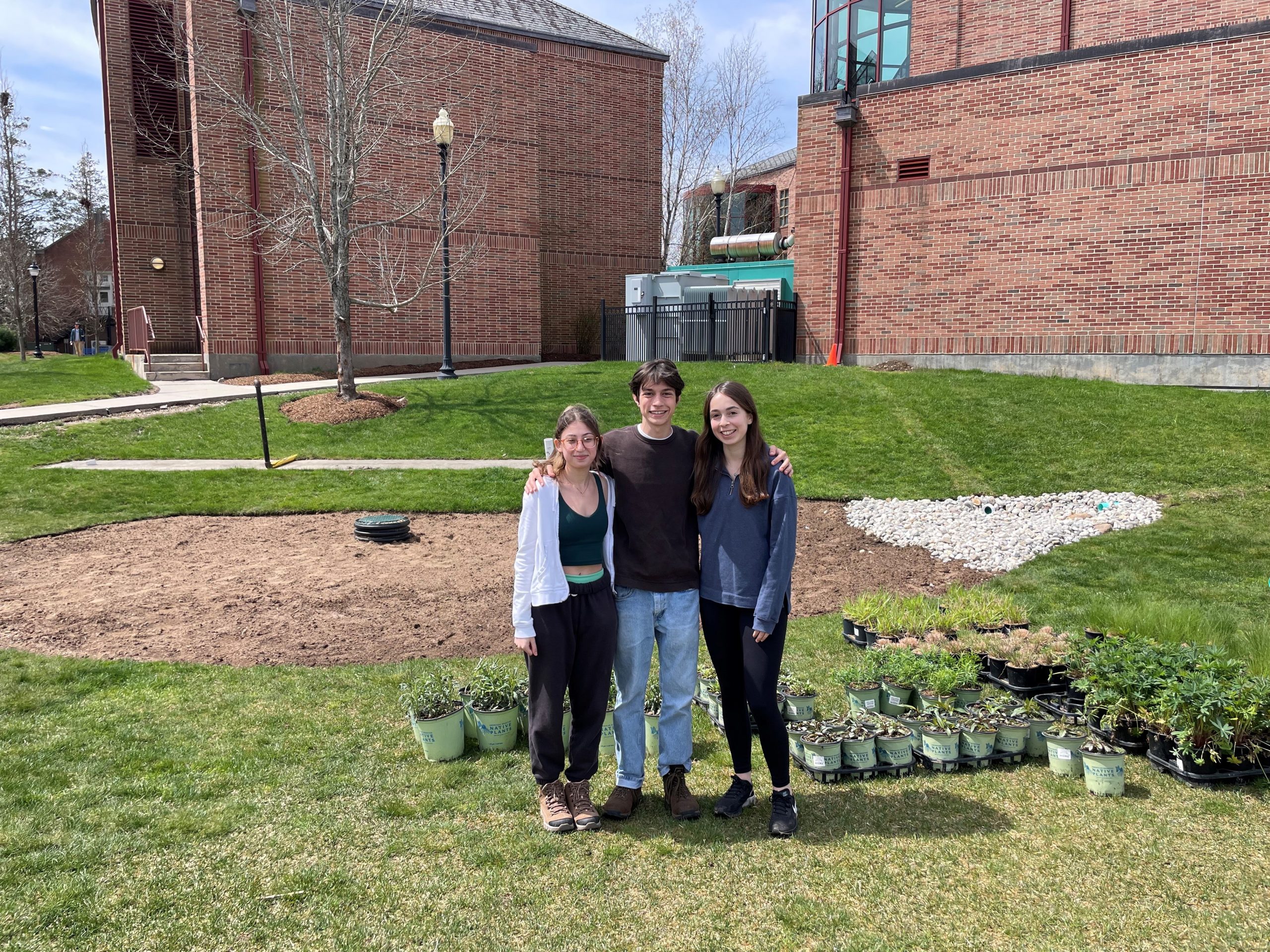 On April 19th the rain garden was officially installed! Amanda, Indigo, and Trevor along with some UConn staff and about 10 students put the plants into the rain garden. They will continue to monitor the growth and health of the rain garden during their time at UConn and will care for it when necessary. Additionally, UConn Soil Water Conservation Society will become the caretakers of the rain garden for longevity and sustainability.
Read more about the project at UConn Today - "Tending Your Garden: New Rain Garden Installation Offers Lessons in Local Impact"
 What We Have Accomplished
At the completion of this project, Amanda, Indigo, and Trevor have installed a 250 square foot rain garden that will help sequester about 60,000 gallons of stormwater a year from the roof of the neighboring buildings. They have also involved many UConn students throughout the duration of this project. One way they did this was by .jpgcreating an online survey asking other students for their opinions on what UConn was already doing in terms of grass and stormwater management and if there were any changes they wanted to see on campus. They also asked students about what they already knew about rain gardens and if they would like to see one installed at UConn, furthering the emphasize of a student-led initiative. Another way Amanda, Indigo, and Trevor involved fellow students was by having some student volunteers help install the rain garden. This allowed for several students to gain a hands-on understanding of the installation process and benefits rain gardens can provide.
The Impact of Our Work
Rain gardens have many benefits, including increasing biodiversity, creating pollinator habitat, mitigating stormwater runoff along with erosion, and general beautification of an area. Amanda, Indigo, and Trevor also hope the rain garden inspires future student-led change to UConn. They believe more can always be done to promote social and environmental sustainability, and that change can be led by students.
Naloxone Education Campaign
UConn Co-op Legacy Fellows Ashley Klancko and Grace Vaidian
Naloxone Education Campaign
Fall 2023 UConn Co-op Legacy Fellowship - Change Grant Project
Project Summary
In collaboration with University of Connecticut Student Health and Wellness (SHaW) Grace Vaidian and Ashley Klancko executed a Naloxone Education Campaign. This project had several parts, all with the goal of providing UConn students with education on opioid overdoses and Naloxone (Narcan) use. One aspect of the project revolved around holding Naloxone training with SERAC, a local organization, where students learned about the life saving drug and received a box of free Naloxone. In addition, the pair made a short video on Naloxone so anyone interested could learn how to identify an overdose and administer Naloxone. Lastly, they focused on general education, utilizing tabling at various health fairs and SHaW’s educational modules.
This project came about because they wanted to make Naloxone more attainable and encourage bystander intervention. They wanted to provide the general public with the confidence and resources to help a friend, family member, or stranger who is overdosing.
 Project Accomplishments
- Created a partnership with SHaW
- Conducted trainings for Pre-Med Society, Student Nursing Association, and Interfraternity Council in collaboration with SERAC
- Created promotional items
- Added information on opioid overdose and Naloxone to SHaW educational module
- Tabled at health fairs
- Handed out Naloxone
- Produced a training video: https://studenthealth.uconn.edu/pharmacy/
Next Steps
- Reach out to Residential Life to advocate for getting Resident Assistants trained with Naloxone
- Create a regular program through SHaW that provides short Naloxone trainings on campus
We hope this can be a first step towards having Naloxone available to UConn students free of cost in an easily accessible way.
Tolland County Robotics Foundation Program Expansion
Co-op Legacy Fellows Youssef Macary and Laxmi Vobbineni
Tolland County Robotics Foundation Program Expansion
Fall 2023 UConn Co-op Legacy Fellowship – Change Grant Project
Overview
The FIRST Lego League Explore program is a youth robotics program that uses legos and technology to excite students about STEM (Science, Technology, Engineering, and Mathematics). The Tolland County Robotics Foundation runs this program for 1st to 3rd-grade students. As part of a previous project, a FIRST Lego League (FLL) Explore program was run at the Mansfield Public Library with five teams of students. When registration for this program opened, it quickly filled up. The positive response to the Mansfield Public Library FIRST Lego League Explore program led us to want to provide more teams for local students.
The Project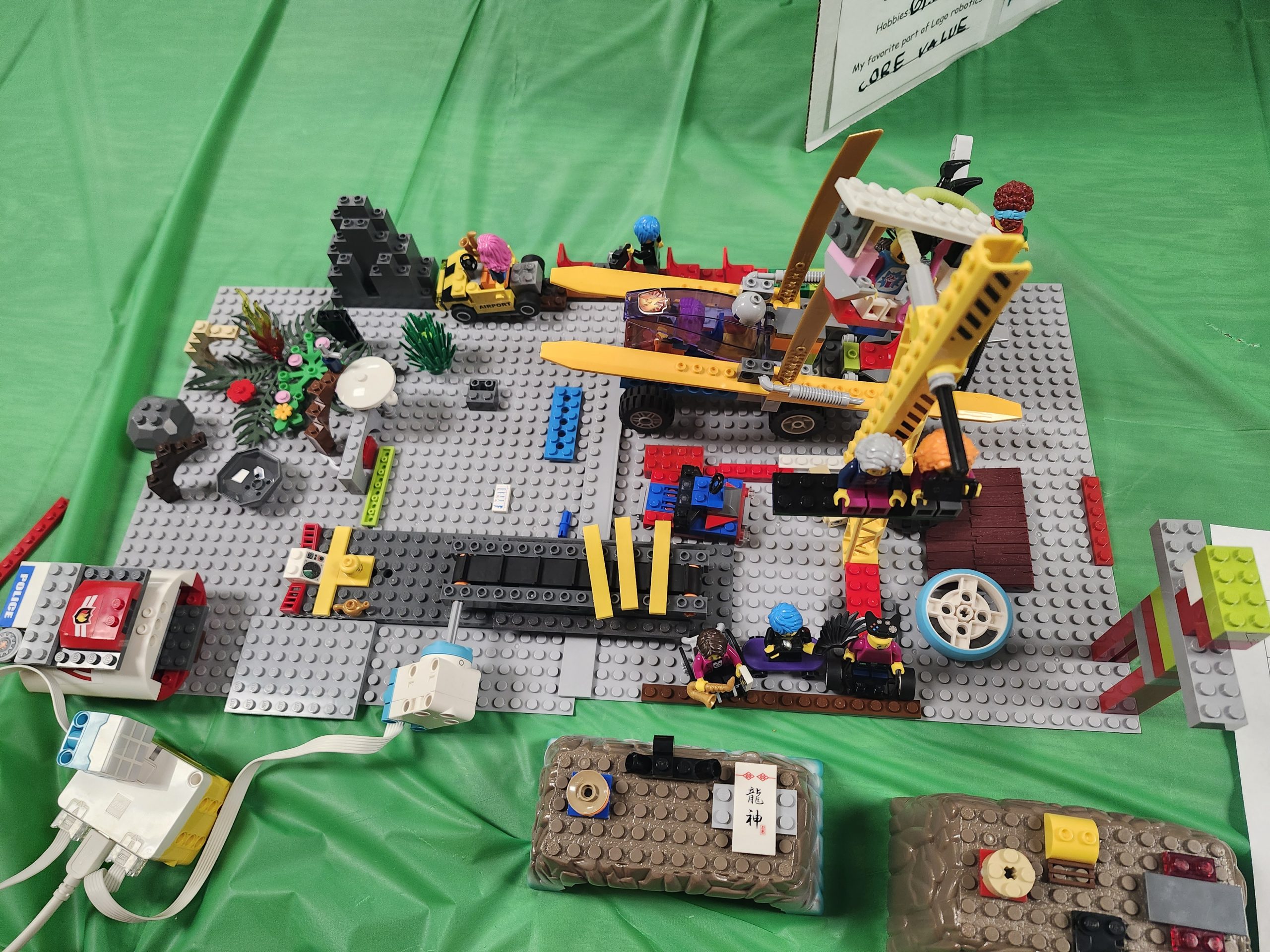
As part of this project, we secured a location and meeting time for the second FLL Explore program, Rockville Public Library from 5:00-6:30pm every Tuesday. We then ran the program, which consisted of weekly meetings from mid-January through early April, and a final season celebration. We we responsible for all capacities of the program, including creating and administering the curriculum, recruiting additional mentors, buying the supplies and materials, and helping to plan an end-of-the-year festival for the team.
Impact
This project had an immediate impact of serving roughly 19 students. We ran four teams at Rockville Public Library, each with 4-5 students. The participants in the program got to learn about the FIRST Core Values (discover, innovation, inclusion, impact, teamwork, and fun), learn the basic program, build a Lego model with a moving part based on the season theme, follow the Engineering Design Process, and overall experience working as a team. In the long term, this project laid the groundwork to run this program at the Rockville Public Library in the future.
Future Direction
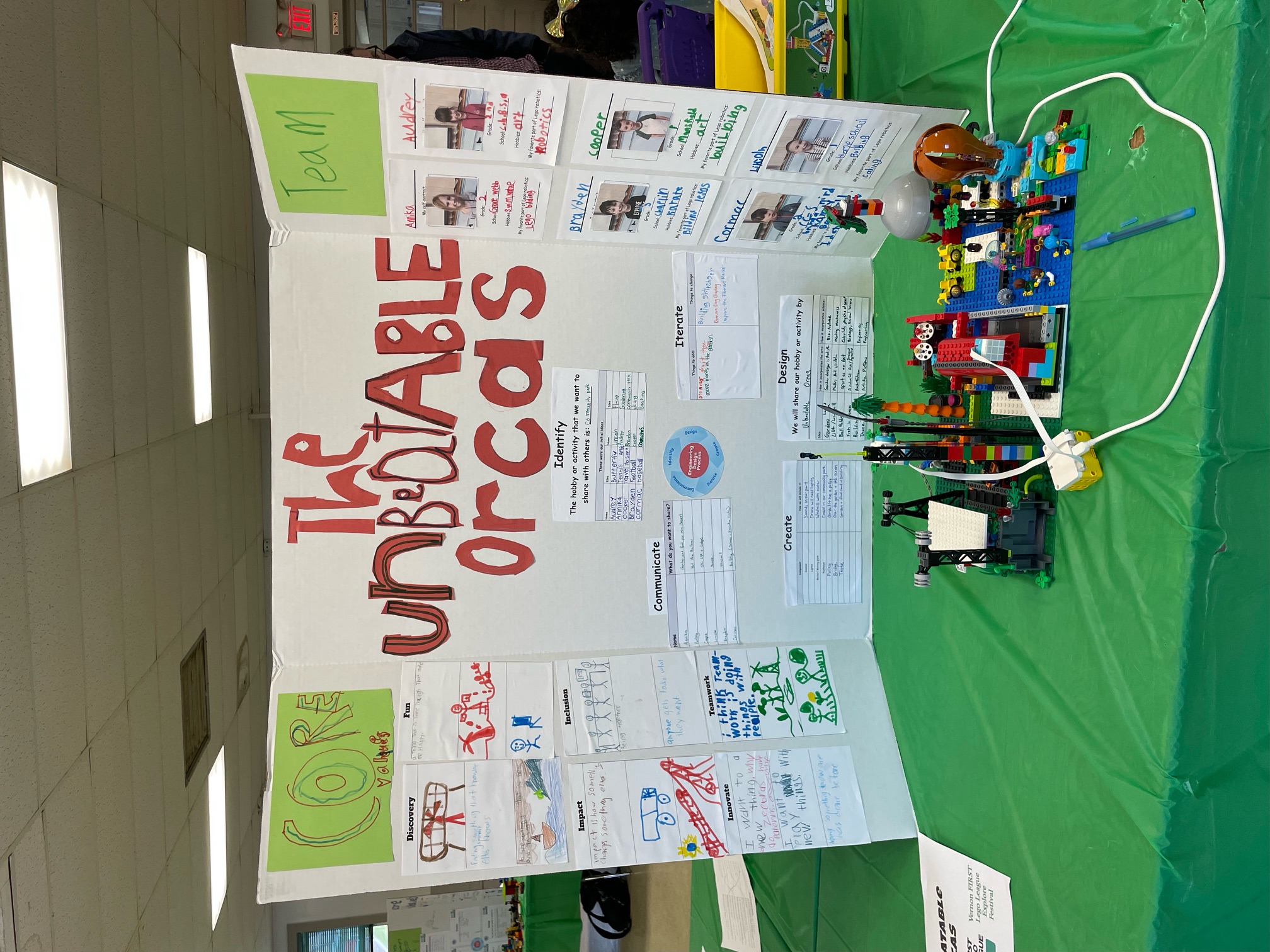 Because of the success of the Tolland County Robotics Foundation’s FIRST Lego League Explore program, we are actively working to expand it from two locations and nine teams (four in Vernon and five in Mansfield) to five locations and 20 teams next season. We plan on replicating and improving the model that we created in Mansfield and Vernon across the county to serve even more students with this program. We both also plan on continuing in our capacity of lead mentor of FIRST Lego League Explore.
About Youssef
Youssef is a rising junior at the University of Connecticut, majoring in business management while concurrently pursuing a Masters of Public Administration as part of the School of Public Policy’s Fast Track Program. His plans after graduating are to go into the nonprofit management field. His inspiration for the project stems from his 14 years as part of FIRST, an international Pre-K-12 robotics organization. He founded the Tolland County Robotics Foundation to further expand the FIRST teams around UConn. He serves as the President and Program Coordinator, as well as a mentor for several of the local teams that the foundation runs. At UConn, Youssef is also a Resident Assistant, Daily Campus writer, UConn FIRST Co-President, and the Vice President of the Hilltop Halls Hall Council.
About Laxmi
Laxmi is a rising junior at the University of Connecticut, majoring in biomedical engineering. Her plans after graduating are to pursue medical school, hoping to enter the field of emergency medicine. She first became involved in FIRST during middle school as part of a FLL Challenge team. She continued her involvement throughout high school as part of a FIRST Robotics team. Her involvement in FIRST sparked her interest in innovation, and became one of the reasons she decided to pursue biomedical engineering. Hoping to inspire other students through STEM programs, she began working with the Tolland County Robotics Foundation as a mentor for several teams ran by the foundation and board member. At UConn, Laxmi is also an undergraduate research assistant, resident assistant, and holds executive board positions in clubs such as UConn FIRST.
Connecticut Ethnic Studies Symposium
UConn Co-op Legacy Fellow Karen Lau
Acknowledgments
The UConn graduate students who served as moderators include Alejandra Leos, Ananda Griffin, Hawelti Gebretsadik, Jannatul Anika, Kenia Rodriguez, Michelle San Pedro, Suhyun Kim, and Rhys Hall. UConn Humanities Institute staff members, including Anna Mae Duane, Elizabeth Della Zazzera, and Nasya Al-Saidy supported the funding, promotion, and outreach of the symposium through social media and the building of the website, created by Elizabeth. Yale University faculty members Fadila Habchi and Ximena Lopez Carrillo supported the organizing of the symposium and provided transportation to New Haven-area students. I express my deepest gratitude to these students and faculty whose steadfast belief in the power of our growing ethnic studies community, generous support, and labor created memorable experiences for our panelists and audience members.
 |
Molly Simons, a Trinity College student, presents her project “‘That’s like a frontier mentality’: The Cop Problem in Rural Alaska Villages and the Proposed Solutions to Fix It” at the Community Mobilization and Resistance to Police Violence panel. |
 |
Attendees at the welcome lunch |
 |
Samantha Gove, a UConn student, presents her project, “Police Killings of Native American People: Examining Variation across Space, Time, and Status Characteristics,” at the Community Mobilization and Resistance to Police Violence panel. |
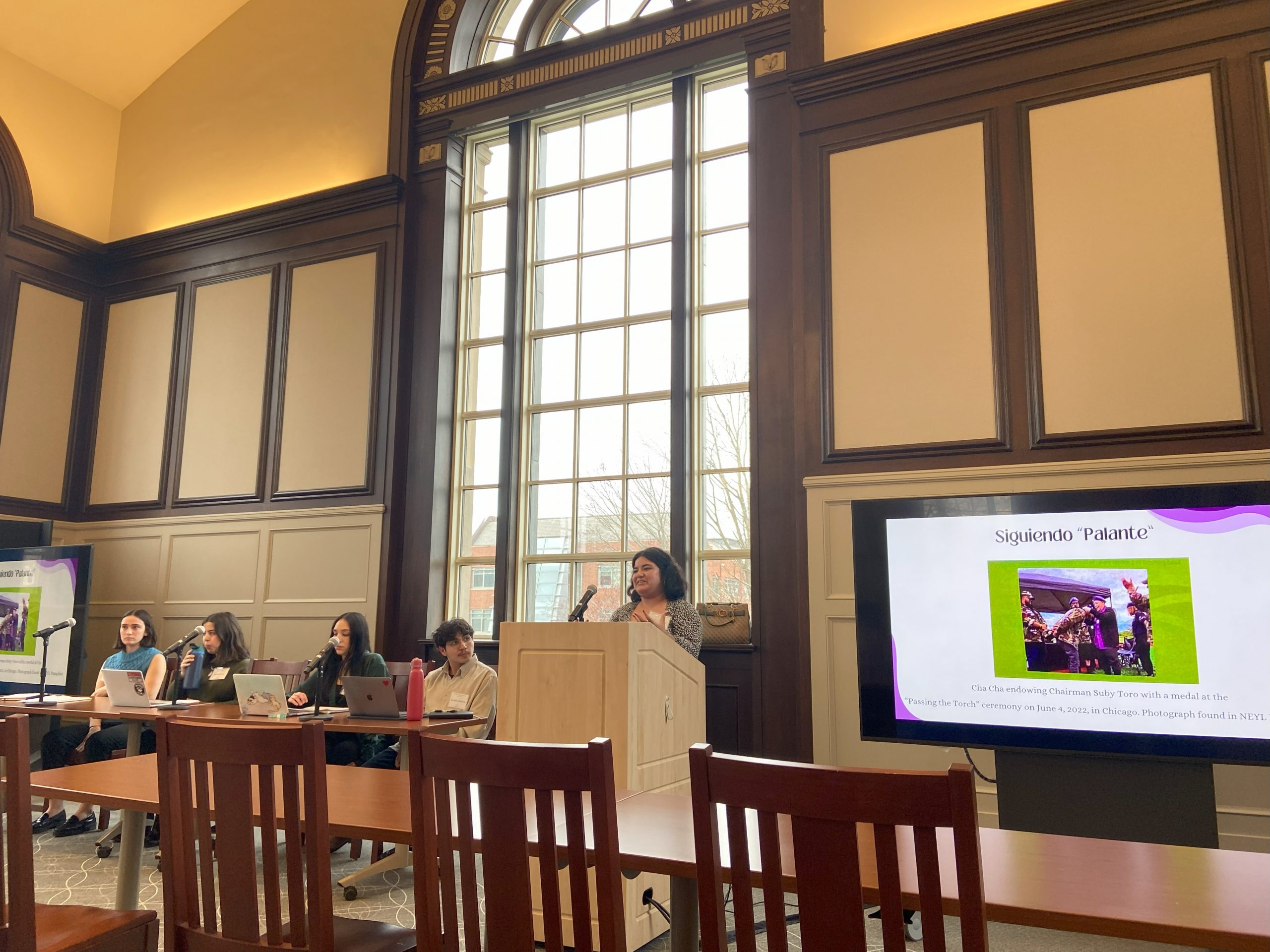 |
Rebeka Cabrera, a Yale student, presents her project, Siguiendo ‘Palante’: the Revitalization of the Young Lords in a New Era,” at the Community Mobilization and Resistance to Police Violence panel. |
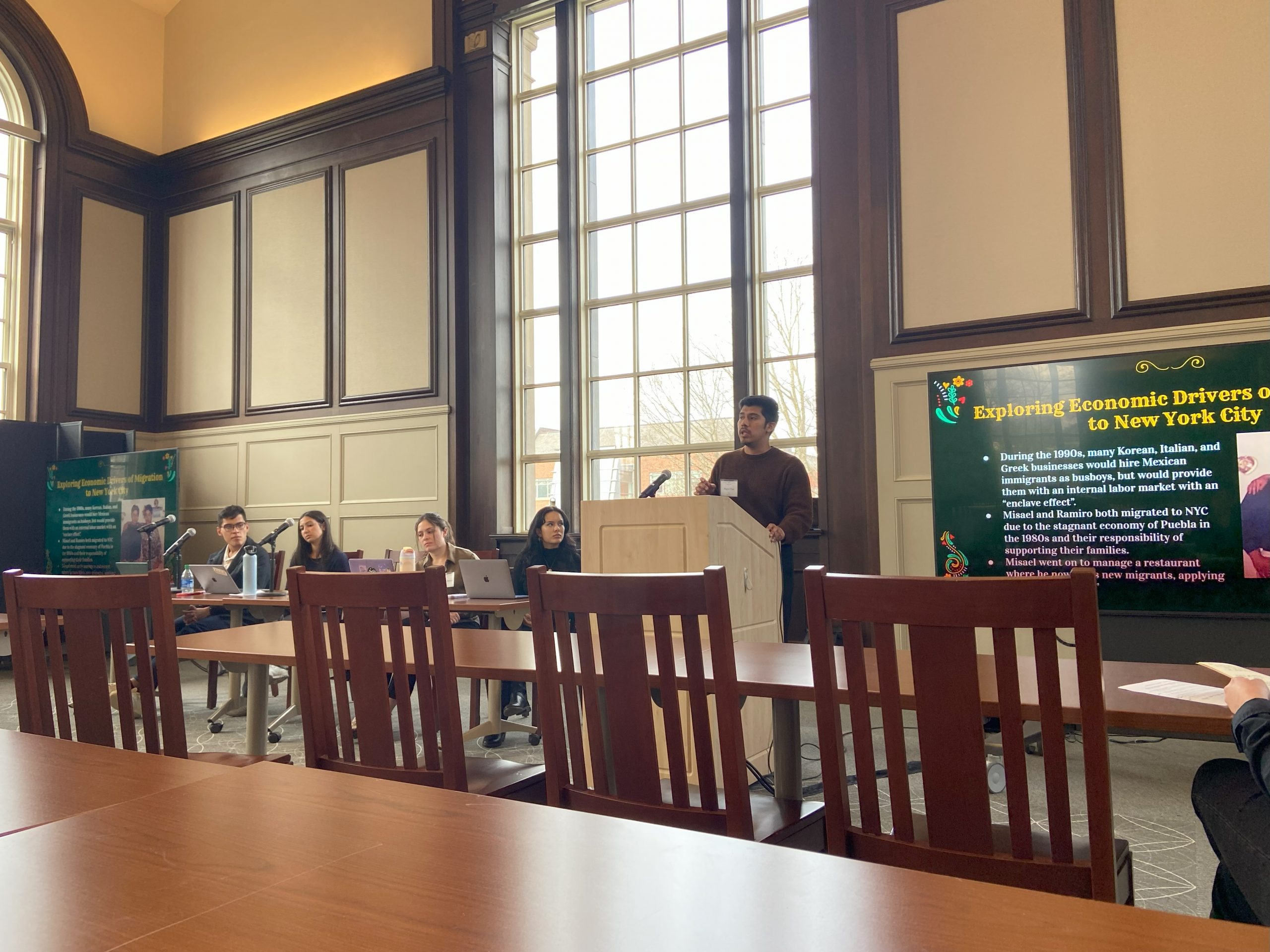 |
Miguel Vivar, a Yale student, presents his project, “Puebla York: A Case Study on Poblano Transnational Migration and Community Building in New York City,” on the Latino Identity, Migration, and Community Building panel. |
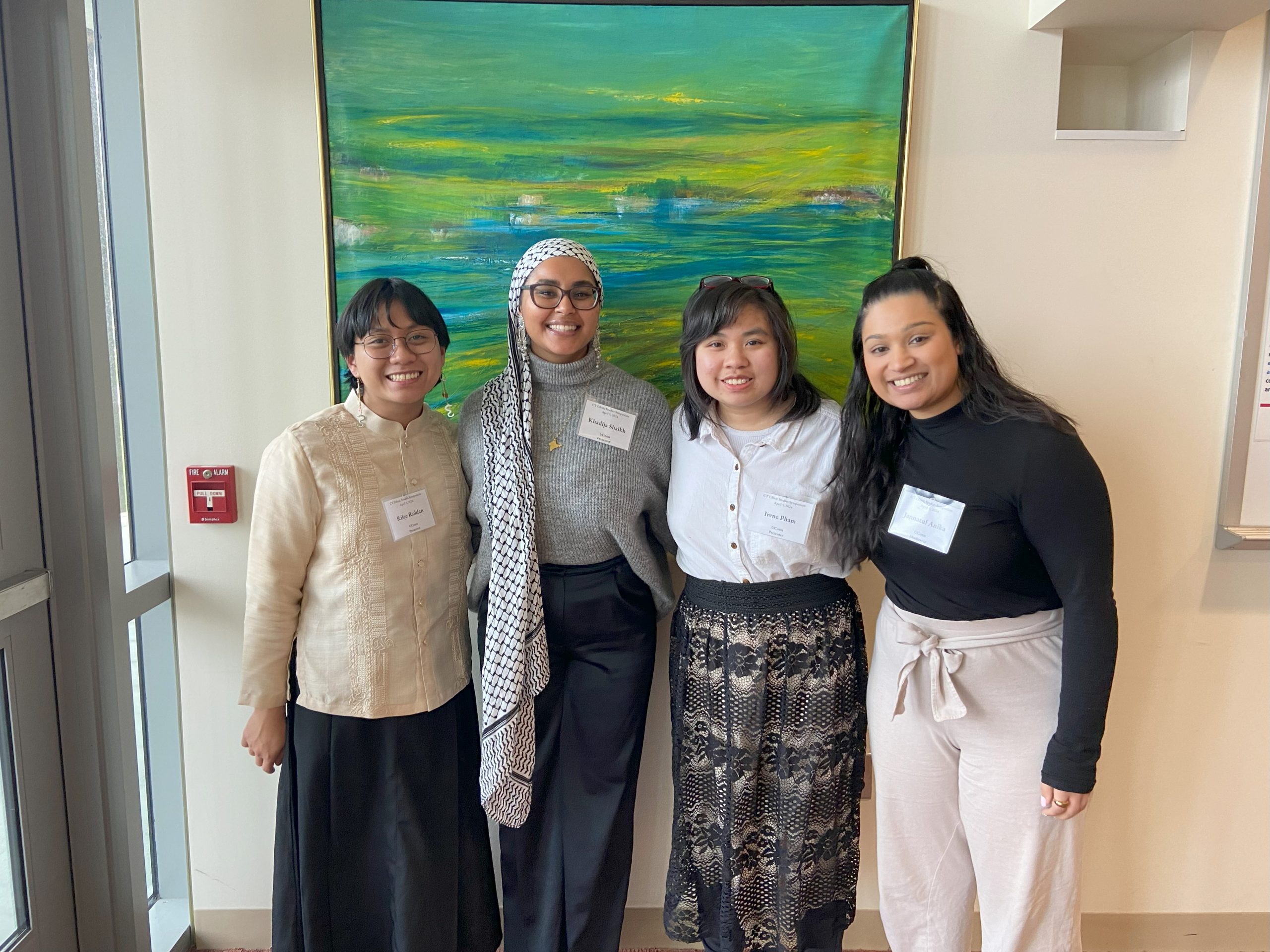 |
Presenters on the Asian American Art and Storytelling panel |
 |
Khadija Shaikh, a UConn student, presents their project, “An Ode to Curry Patta: An Indian American Environmentalist's Anthology,” on the Asian American Art and Storytelling panel. |
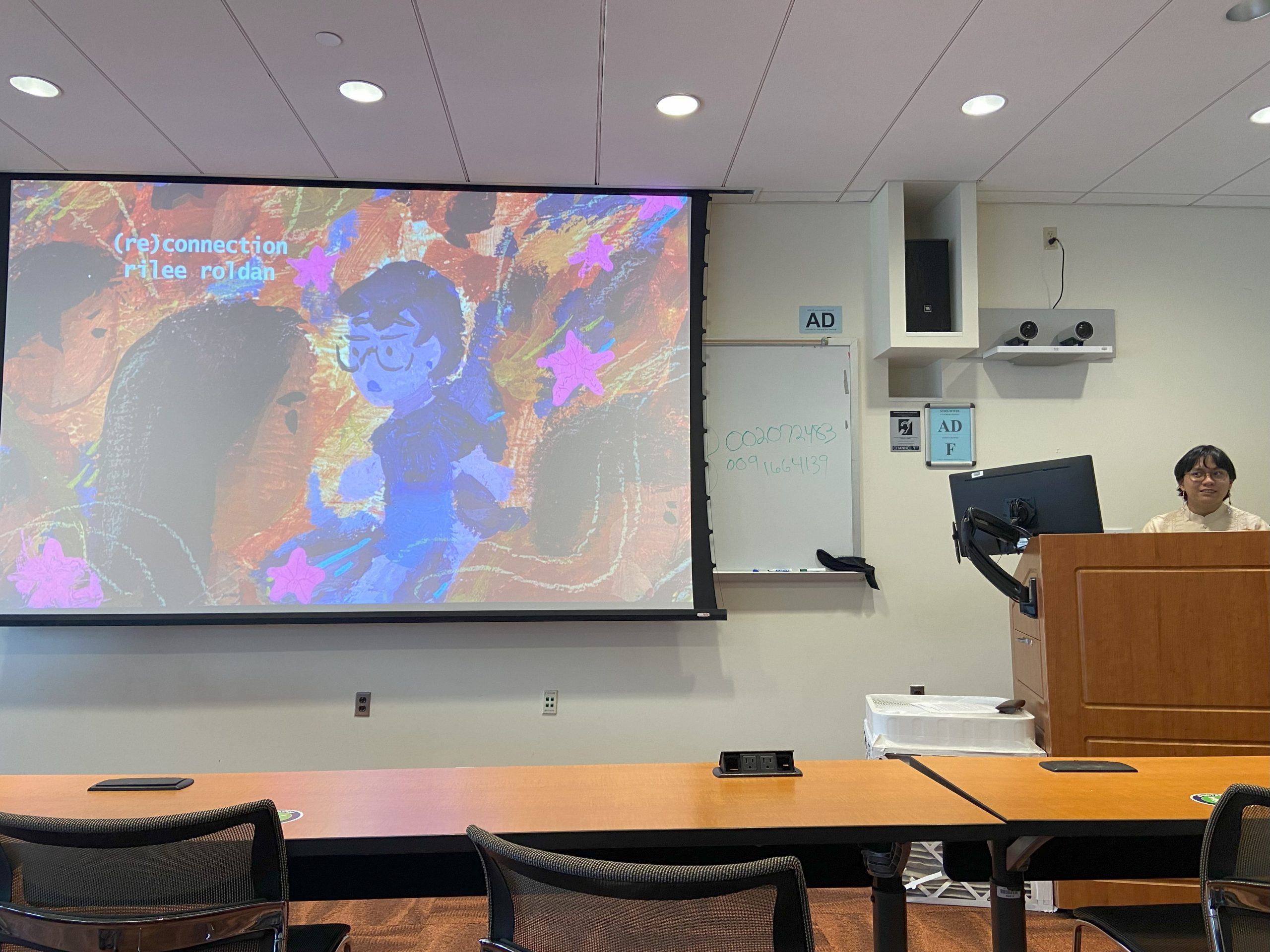 |
Rilee Roldan, a UConn student, presents their project, “(Re)Connection,” on the Asian American Art and Storytelling panel. |
 |
Irene Pham, a UConn student, presents their project, “Sore Waters,” on the Asian American Art and Storytelling panel. |
 |
Presenters on the Community Mobilization and Resistance to Police Violence panel |
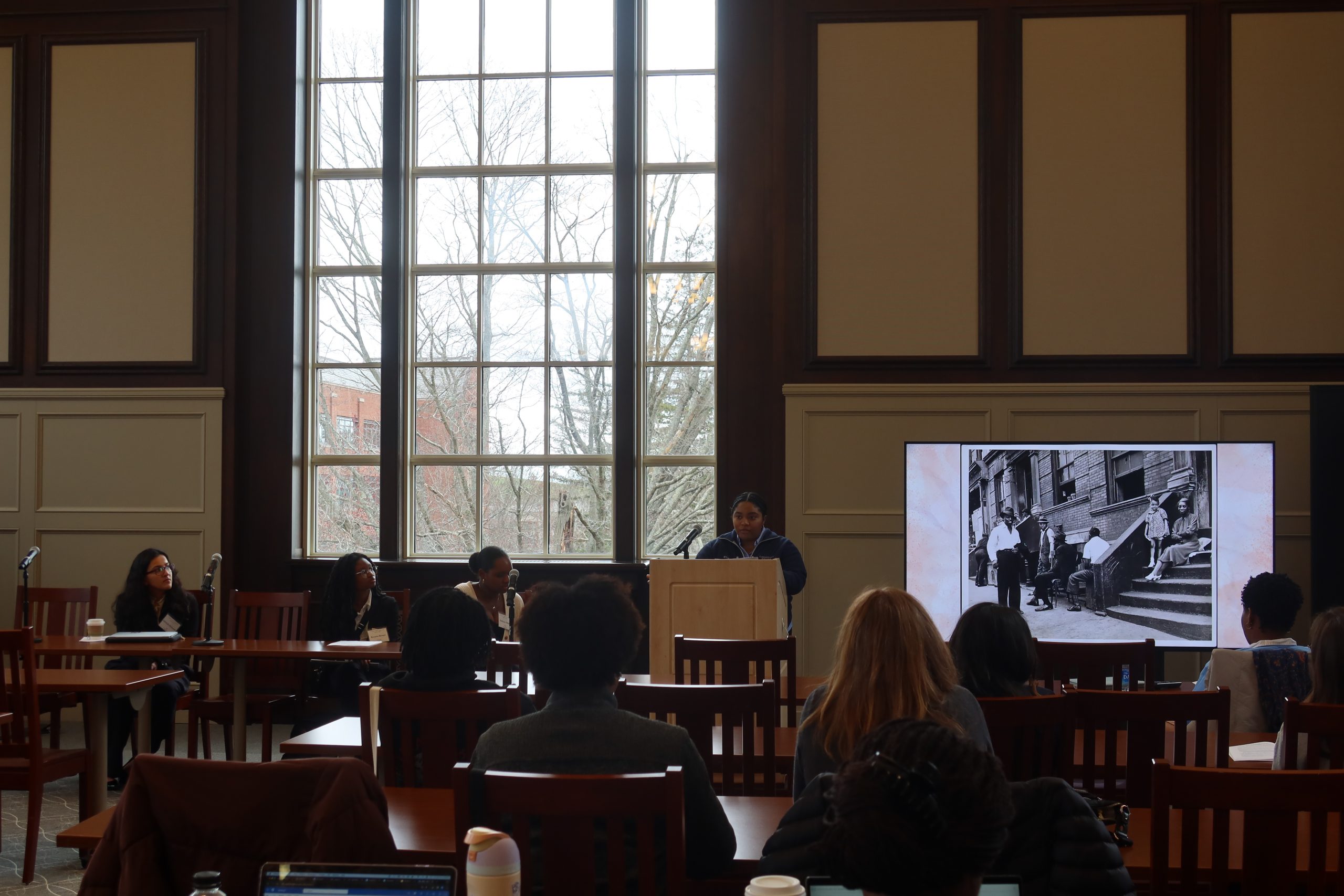 |
Serena Prince, a Connecticut College student, presents her project, “When Freedom is Forgotten: An Examination of New York’s Freedom Day 1964,” on the Black Women’s Visibility and Educational Justice panel. (Photo by Katherine Jimenez) |
 |
Madison Nelson, a CCSU student, presents her project, “The Hypersexualization of Black Girls and its Implications on Black Womanhood,” on the Black Women’s Visibility and Educational Justice panel. (Photo by Katherine Jimenez) |
|
Molly Simons, a Trinity College student, presents her project “‘That’s like a frontier mentality’: The Cop Problem in Rural Alaska Villages and the Proposed Solutions to Fix It” at the Community Mobilization and Resistance to Police Violence panel. |
|
Attendees at the welcome lunch |