 By: Matthew Lin, OUR Peer Research Ambassador
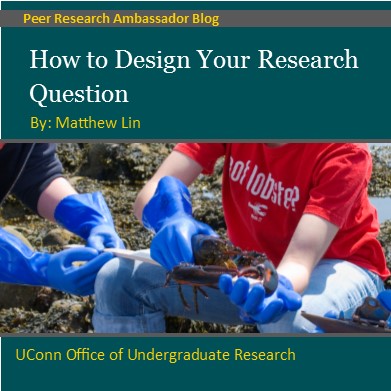
For centuries, man has attempted to find immortality to no avail. Juan Ponce de Leon couldn’t find its Fountain; alchemists threw together chemicals to manufacture an elixir of life. Yet, in the rocky depths of the ocean there exists a creature that seems to have found the secret to endless life.
No, it’s not an ancient dinosaur nor a mutant monster. Nor is it a small microscopic organism. In fact, it’s the humble lobster.
Lobsters have been known to be what’s called “biologically immortal.” Their rate of mortality and cellular aging appears to be decreased or even stable when compared to its chronological age. Reports have said that older lobsters are even more fertile than younger ones. The oldest reported lobster was 140-years-old.
What’s their secret?
 The toughest part of getting involved on campus is often — well — getting involved! This is especially true when it comes to undergraduate research and other creative endeavors, where your involvement hinges on building connections with professors whose work aligns with your interests.