Meet Anthony Zuo ’27, an OUR Peer Research Ambassador majoring in Physiology and Neurobiology & Molecular and Cell Biology.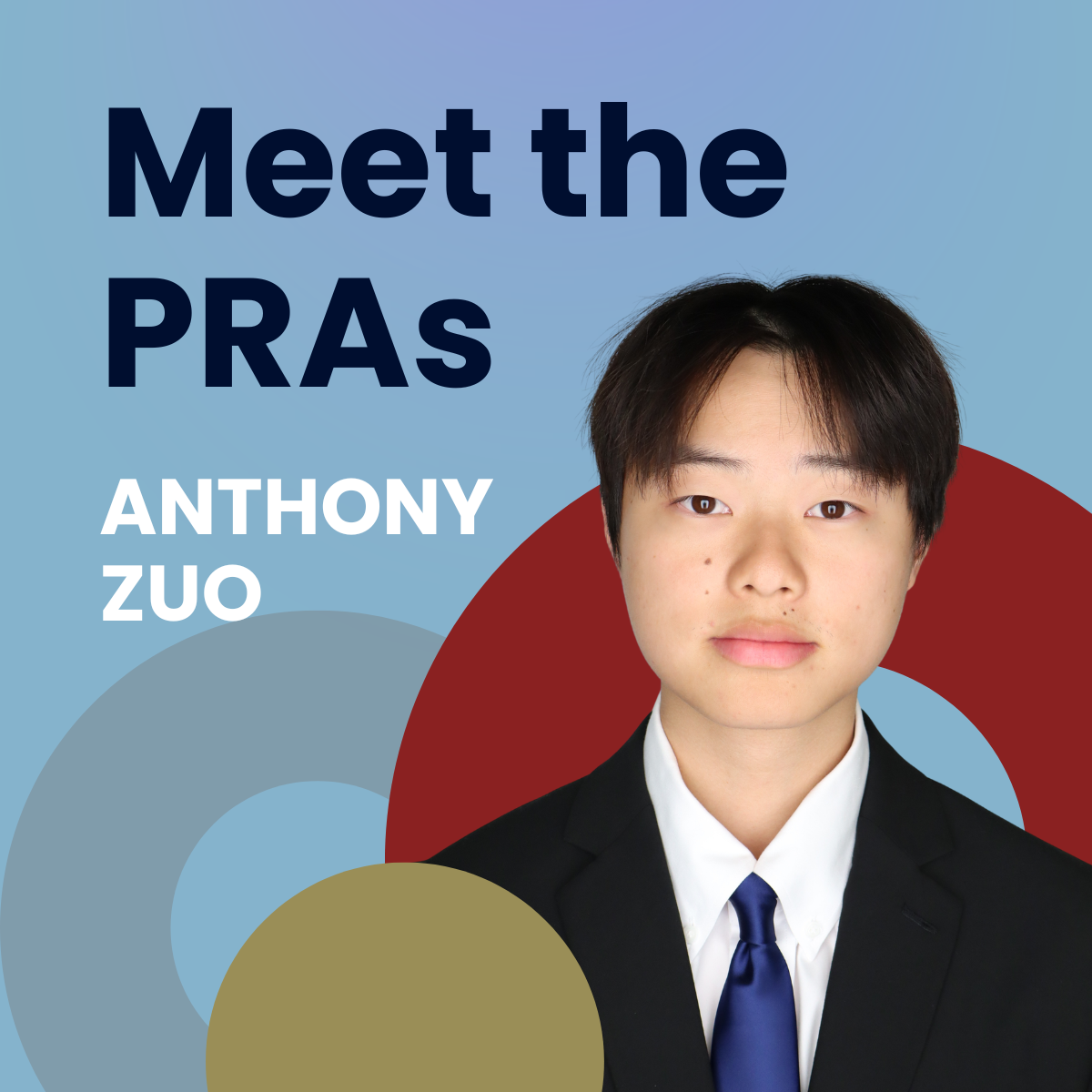
What is the focus of your research/creative activity?
Currently, I work in the Sinder Lab located in Farmington at UConn Health Center. The focus of the research is to determine the effectiveness of stem cell therapy on mouse models with Osteogenesis Imperfecta (OI), a rare disorder that causes bone brittleness. OI is caused by mutations in the COLA1 and COLA2 genes resulting in misfolded collagen protein. Wild type collagen provides sructural support in the bones, thus mutated collagen results in brittle bone.
Stem cell therapy is a new strategy in addressing the underlying collagen mutation. Transplanting healthy bone cells into OI mice allows the formation of wild type bone, which may improve the overall phenotype of the skeleton. Currently, I am looking into the effectiveness of age on stem transplantation in the OI femur.
Why did you get involved in research/creative activity?
I got involved with research because I am passionate about rare diseases. Rare diseases are heavily understudied, and because of this, patients with rare diseases are waiting years to receive the correct diagnosis. I came into the lab with the perception that I could contribute to rare diseaes research. However, I became more interested in the process and experimental designs that wet lab research had to offer.
Outside the lab, I help with rare disease patient advocacy by hosting UConn’s Rare Disease Day Symposium for all undergraduates.
What advice would you give to aspiring student researchers?
Don’t be too set on joining a single lab. Though the content of a research lab may sound exciting, it is only one of many deciding factors on whether it is the right fit for you. Consider the mentorship quality, flexibility, and learning opportunities. With that being said, it is okay to join a lab that doesn’t overlap with your major. Prioritize fit over content.
What are your plans after graduation? How has involvement in research/creative activity influenced your plans and/or prepared you for the future?
After graduation, I will be applying to medical school. Rare disease research and advocacy has played a vital role in my decision to pursue a career in medicine, specifically the rare disease space. I hope to not only explore rare disease research opportunities, but also improve the quality of rare disease patient care in the clinic.
Click here to sign up for a meeting with Anthony, or any other Peer Research Ambassador!